Weights Explained
Understanding vehicle and caravan weights can be confusing, but it’s essential for safe and legal travel.
Many people rely on estimates or incomplete information, which can lead to unsafe setups and unexpected issues.
Here’s how your weights actually work in real life:
Most people don’t realise they’re overweight until it’s too late — that’s where we help.


Individual Axle Weights
The weight transferred to the ground by the wheels of the individual axle.

Aggregate Trailer Mass (ATM)
The weight of the loaded trailer (GTM) including the tow ball mass (TBM).

Gross Trailer Mass (GTM)
The weight transferred to the ground by the wheels of the trailer when coupled to a vehicle.

Tow Ball Mass (TBM)
The weight imposed on the tow vehicle’s tow hitch by the coupling of the trailer onto the tow bar.
Recommended to be 8 – 12% of ATM.

Gross Vehicle Mass (GVM)
The weight transferred to the ground through the wheels of a fully loaded vehicle. Including the trailer tow ball weight (TBM) if towing.
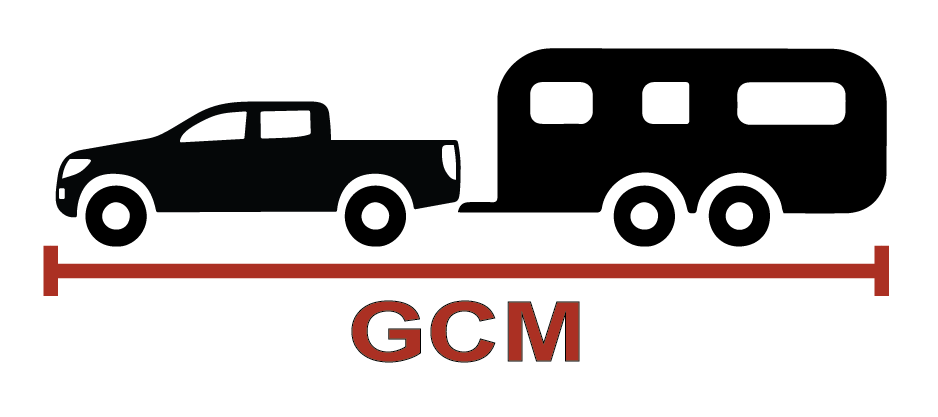
Gross Combination Mass (GCM)
The combined weight of the towing vehicle (GVM) and any trailer (GTM) while coupled together.
Fines and defects
Insurance issues
Unsafe handling and braking
Being overweight can lead to:
The Reality
Many caravans are unknowingly overweight — even when everything “feels fine” on the road.
Overloading your vehicle or caravan
Driving illegally
Risking your insurance
Compromising your safety
What Happens If You Get It Wrong
Common Mistake
Many people assume they are within limits based on manufacturer specs or estimates — but real-world setups are often very different once loaded for travel.
The only way to know for sure is to have your setup properly weighed.
Still unsure about your setup?
The easiest way to know for sure is to get your vehicle weighed properly — exactly as you travel.
The only way to know for sure is to have your setup properly weighed.
We come to you and give you clear, real-world results.